Optimizing Lawn Health: Proven Techniques from Bonita Bay Lawn Maintenance Professionals May 14, 2026
Healthy lawn maintenance begins with understanding the soil. A soil test provides insight into the pH levels and nutrient content in your lawn. Knowing these details allows you to choose the right fertilizers and amendments, which are crucial for grass growth. Our experts recommend testing the soil every few years to track changes and adjust treatments accordingly, ensuring that your lawn is receiving the nutrients it needs to thrive.
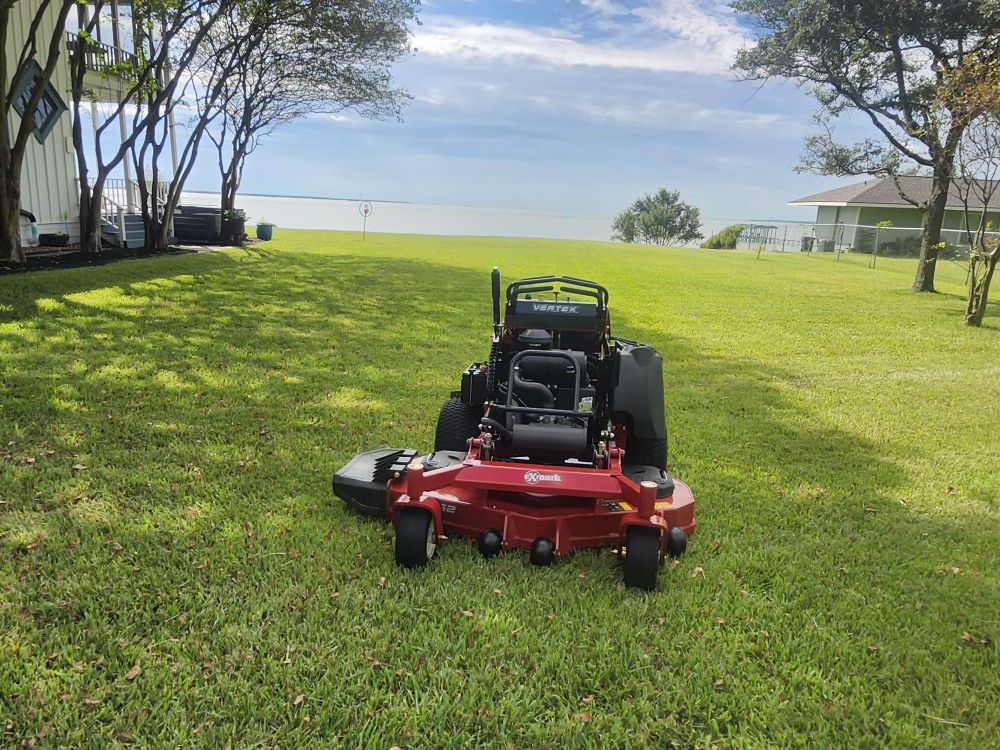
Once you have a clear picture of your soil’s health, regular mowing is essential. Mowing at the correct height is crucial for grass health. For most grass types, keeping the blades about three inches tall encourages deeper root growth and shades the soil, reducing weed proliferation. Aim to mow frequently enough that you’re never removing more than one-third of the grass blade at a time. This prevents stress on the grass and helps maintain a full, lush lawn.
Watering is another key aspect of lawn health that is often misunderstood. Overwatering can lead to shallow root systems and increase the risk of fungal diseases, while too little water can cause the grass to brown and die. Our lawn care experts recommend deep, infrequent watering, ideally in the early morning. This approach encourages roots to grow deeper and more resiliently while minimizing water loss from evaporation.
Aeration is a technique that often goes overlooked but can significantly enhance your lawn’s health. Compacted soil can hinder grass growth by preventing air, water, and nutrients from reaching the roots. By aerating your lawn, you create small holes in the soil, allowing essential elements to penetrate deeper. This process is particularly beneficial in high-traffic areas and clay-heavy soils. Early fall is often the best time for aeration, giving your lawn plenty of time to recover before the growing season.
Dealing with weeds and pests is another integral part of optimizing lawn health. Integrated pest management (IPM) is a holistic approach that combines cultural, mechanical, biological, and chemical tools to control pests economically and effectively with minimal harm to the environment. Regular monitoring and early action are keys to keeping your lawn free of unwanted intruders without relying solely on chemical treatments.
Finally, overseeding is a technique that revitalizes worn-out lawns. By adding new grass seed to thinning areas, you encourage a thicker, more drought-resistant lawn. The best time for overseeding is in the early fall when temperatures are cooler, but the soil is still warm enough for seed germination. This method works excellently alongside aeration to ensure seeds have the contact they need for optimal growth.
In conclusion, optimizing lawn health involves a combination of proper soil management, mowing, watering, aeration, pest control, and overseeding. At Bonita Bay Lawn Maintenance LLC, we are passionate about helping you achieve a healthy, green lawn using these proven techniques. Whether you’re looking to enhance curb appeal or create a relaxing outdoor environment, these practices can make a significant difference. By understanding and implementing these strategies, you can maintain a beautiful lawn that thrives year-round.
/filters:no_upscale()/filters:format(webp)/media/74f5cabc-72ec-4dd2-9aef-4dcacbbc57fd.jpg)
/filters:no_upscale()/filters:format(webp)/media/bb9e2f39-ebc0-418a-ab4f-defa79b4f438.jpeg)